
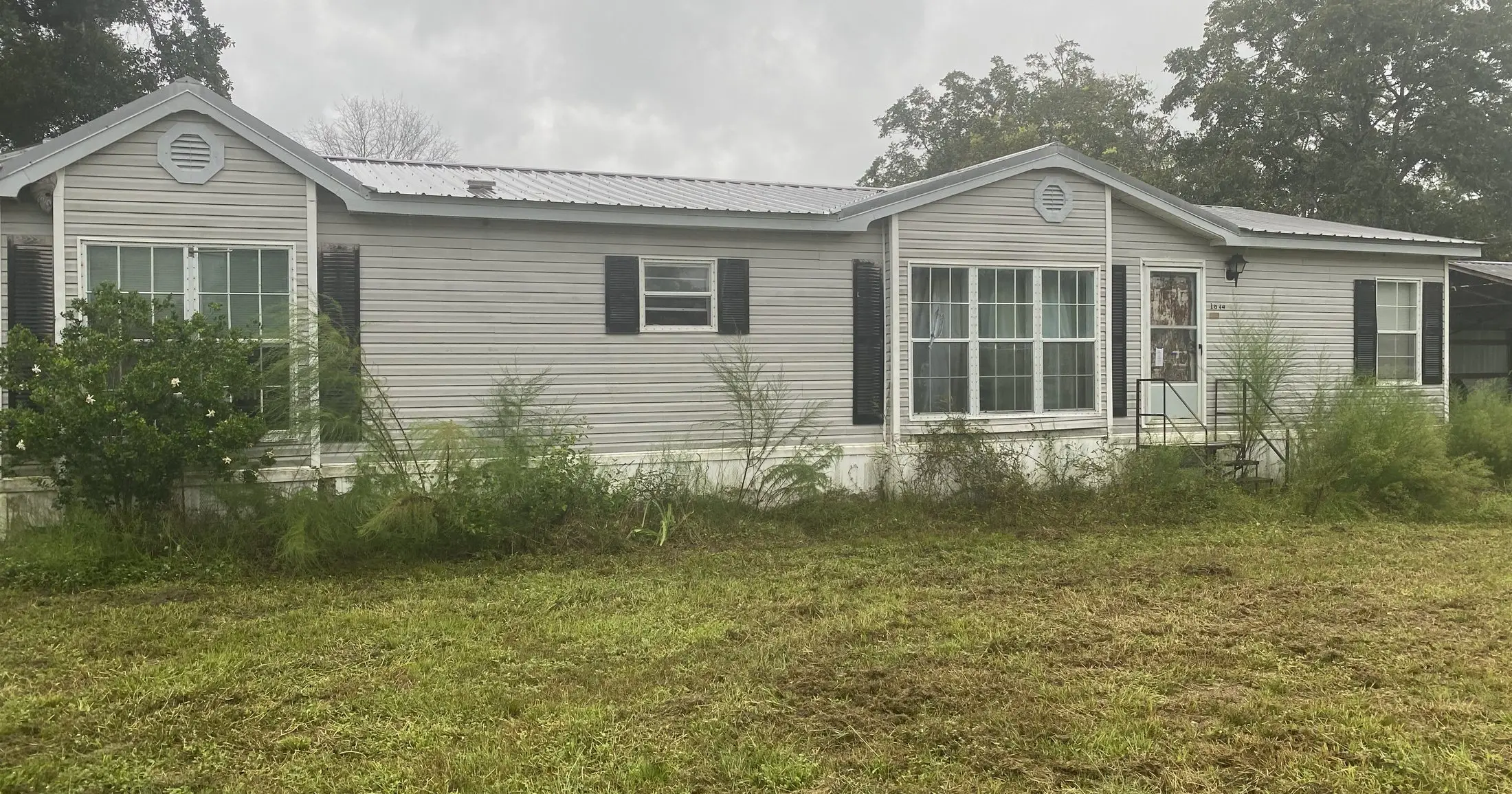
If you have gotten a notice with the words “tax deed” on it, you are probably trying to figure out two things at once: how much time is left, and whether any money comes back to you if the house sells. This is a Florida tax deed sale explained in the order it actually happens, because the order is what determines your options. The process runs on fixed steps under Chapter 197 of the Florida Statutes, and almost every step gives the owner or heir a chance to act before the clerk’s auction.
Tax deed sales are separate from mortgage foreclosure. A lender is not involved. The driver is unpaid county property taxes, and the parties are the tax collector, the clerk of court, and whoever bought the tax certificate on your parcel.
It starts with a tax certificate, not a lawsuit
Florida property taxes become delinquent in the spring if they go unpaid. The county tax collector does not sue you. Instead, the collector sells a tax certificate on the parcel — essentially an investor pays your tax bill and receives the right to collect it back, plus interest, from you.
Nothing about your ownership changes at that point. You still hold title. You can still sell, refinance, or live in the house. What exists is a lien, held by a certificate holder who now has a financial reason to watch your parcel.
Most certificates get redeemed. The owner pays the tax collector the delinquent amount plus interest and fees, the certificate holder gets paid off, and the matter ends. Florida Statutes § 197.472 governs that redemption.
After two years, the certificate holder can apply for a tax deed
This is the step people miss. Under Fla. Stat. § 197.502, a tax certificate holder may apply to the tax collector for a tax deed once the certificate has aged two years from April 1 of the year it was issued. The application sets the auction machinery in motion.
The tax collector certifies the parcel to the clerk of the circuit court. The clerk researches title, identifies who must be notified — the owner of record, mortgage holders, judgment lienholders, and others — and sets a sale date. Notice goes out by mail, gets published in a local newspaper, and in many counties a sheriff or process server posts notice at the property.
If you are an heir and the house was your parent’s, the notice may have gone to a name that is no longer living, at an address nobody checks. That is one of the most common ways families find out late.
The clerk’s sale, and your right to redeem up to that moment
The sale itself is a public auction run by the clerk, in person or online depending on the county. Bidding opens at a statutory minimum that covers the delinquent taxes, the certificate holder’s interest, and the costs of the sale. If the parcel is homestead property, Florida adds a portion of the assessed value to that opening bid, which pushes the starting price up — a protection built into Chapter 197 for owner-occupied homes.
Here is the part worth circling: the property can generally be redeemed at any time before the clerk issues the tax deed to the winning bidder. Redemption means paying the full amount due to the tax collector, not negotiating it. If you can get the money together — from savings, a family member, a hard-money loan, a conventional refinance that closes in time — redeeming is almost always better than letting the auction run, because you keep the house and whatever equity is in it.
If the sale goes forward, the clerk issues a tax deed to the high bidder. Possession, eviction of occupants, and title cleanup are then the buyer’s problem, and tax deed title carries real risk for the purchaser — which is exactly why bidders discount what they pay.
Where tax deed surplus funds come from
When bidding exceeds the statutory minimum, the extra money does not go to the county and it does not go to the certificate holder beyond what they are owed. The clerk holds it.
That pot is the surplus. Distribution of surplus from a Florida tax deed sale is governed by Fla. Stat. § 197.582, and the order matters more than most people expect:
- Governmental liens and certain claims against the property are paid first.
- Then mortgages, judgments, and other liens of record, in their order of priority.
- Whatever remains may be claimed by the former titleholder — or, if the owner has died, by the heirs or the estate.
So a surplus existing is not the same as a surplus reaching you. A parcel with an old mortgage still recorded, a code enforcement lien, or an HOA judgment can produce a surplus that gets consumed before the former owner’s claim is reached. On a free-and-clear property sold at auction, the opposite can be true and the remaining funds can be meaningful.
There is also a clock. The clerk’s notice of surplus states a deadline to file a claim, and funds nobody claims do not sit in the clerk’s account forever. If you have received anything from a clerk referencing surplus or unclaimed funds, read the date on it the day it arrives.
Caliber Trust runs a surplus-funds recovery service for Florida homeowners and heirs owed money after a foreclosure or tax deed sale — judicial foreclosure surplus falls under Fla. Stat. § 45.032, and tax deed surplus under § 197.582. You can also file a claim yourself with the clerk, and plenty of people do. If an attorney is already handling the estate or the claim, that is not a conflict; we work alongside attorneys and agents rather than in place of them.
What you can do before the sale date
There is usually more room here than people think, and the options narrow week by week.
Pay or arrange to pay the tax collector. Some Florida counties offer installment or partial-payment arrangements on delinquent taxes. Call the county tax collector directly and ask what applies to your parcel.
Sell on the open market. If there is equity and a few months of runway, a listing with a Florida agent will usually bring more than a cash offer. Taxes get paid from the closing proceeds. The tradeoff is time and uncertainty — showings, financing contingencies, an appraisal.
Sell for cash, as-is. A direct sale is faster and does not require repairs or a clean roof, and the honest tradeoff is price: a cash buyer pays less than a patient retail listing would. Caliber Trust has been buying Florida houses this way since 2016, and you can see how we work before you talk to anyone.
Get free help. A HUD-approved housing counselor costs nothing and works on the homeowner’s side, not a buyer’s. The national line is (800) 569-4287.
Ask a Florida attorney the legal questions. Whether redemption is still available on your specific parcel, how to open probate so an heir can act, whether a recorded lien survives the sale — those are legal questions about your facts, and a Florida attorney should answer them, not an article.
Why the bidding is competitive right now
Florida parcels draw attention from out-of-state buyers, which affects what tax deed auctions produce. Redfin reported in its second-quarter 2026 migration analysis that 19% of U.S. house hunters nationwide were looking to move to a different metro area, with Florida among the most-searched destinations. More bidders can mean a higher final price at the clerk’s sale, which is the mechanism that creates surplus in the first place.
That is a thin consolation if you wanted to keep the house. It is a real factor if the sale has already happened and you are trying to find out whether money is sitting with the clerk under your name.
For more on Florida timelines, liens, and what happens after a sale, see our homeowner resources, or reach out with the county and parcel number and we will tell you plainly which stage you are in.