
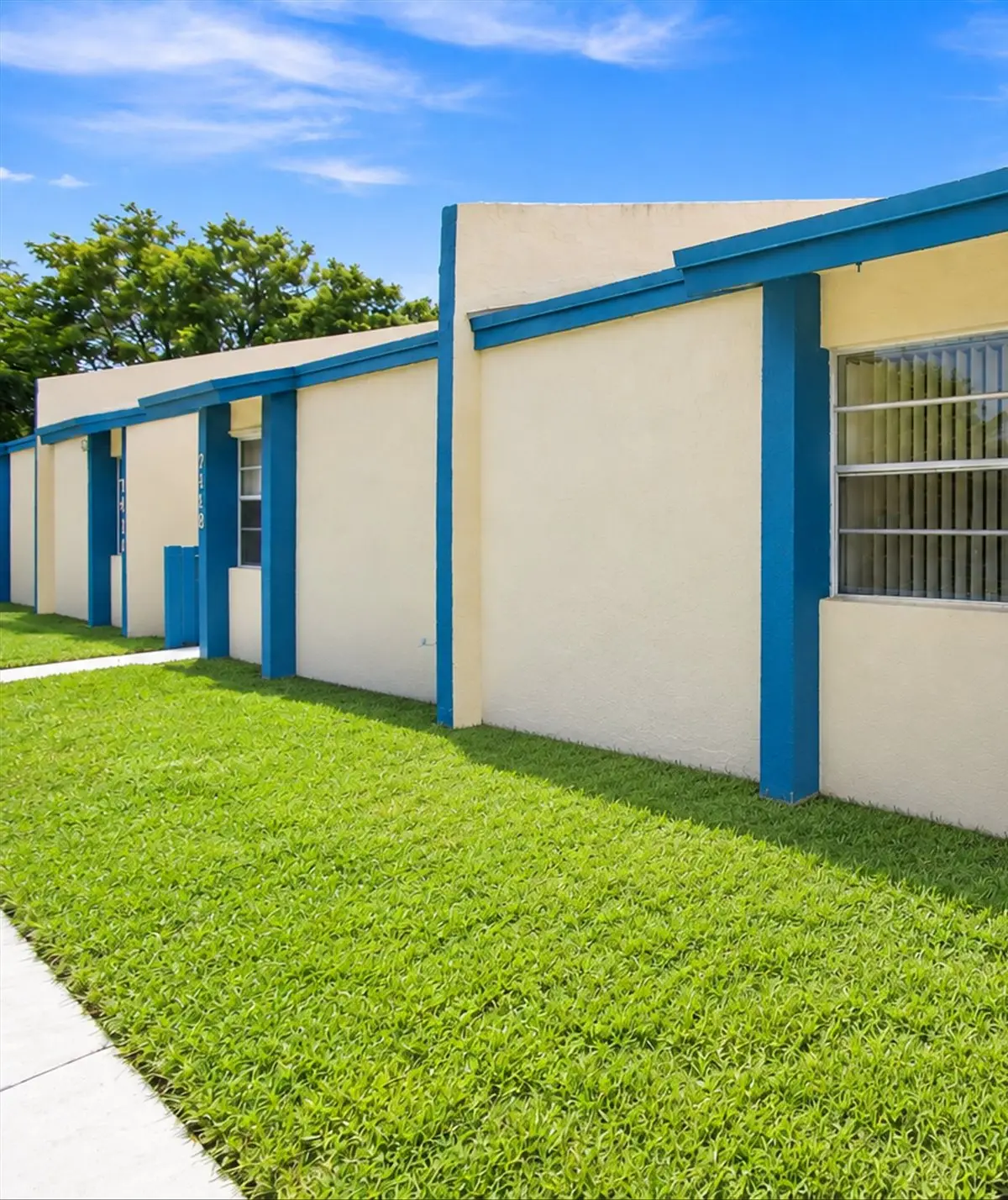
Selling a house with code violations Florida code enforcement has already cited is slower and messier than selling a clean one, but open citations and recorded code enforcement liens do not make a property unsellable. What they change is who your realistic buyer is, what the closing table looks like, and how much of the sale price ends up with the city instead of you.
Most of the panic around this comes from not knowing how the lien behaves mechanically. So start there.
A code enforcement lien is a recorded claim against the land
Most Florida cities and counties run code enforcement under Chapter 162, Florida Statutes. The sequence is usually: a notice of violation, a hearing in front of a code enforcement board or a special magistrate, an order with a compliance deadline, and then fines that accrue daily until the violation is corrected and an inspector verifies it.
When a certified copy of that order is recorded in the county’s official records, it becomes a lien on the property. Under Fla. Stat. § 162.09, that lien can also reach other real property the violator owns in the same county, which catches owners off guard when they also hold a rental two towns over.
Two other features matter when you try to sell. First, the fines generally keep running until compliance is verified, not until you find a buyer — the payoff figure on Monday is not the payoff figure six weeks later. Second, a local government may pursue foreclosure of a code lien, though only after a statutory waiting period, and Florida treats homestead property differently from non-homestead property in that context. Whether your particular house qualifies as homestead for that purpose is a question for a Florida attorney who can look at your deed and your filings, not something a buyer or a title clerk should be deciding for you.
The title search may be clean while the city’s file is not
Florida closings routinely include a municipal lien search ordered separately from the title commitment. That exists because so much of what can cost a seller money at closing never hits the official records: unbilled utility balances, open or expired permits, special assessment balances, unsafe-structure cases, and code enforcement fines that were ordered but not yet recorded.
So a title search can come back looking fine while the city’s code file shows a case that has been accruing since before the pandemic. Title underwriters in Florida will generally want the amount paid off at closing or held back in escrow before they insure the buyer’s policy, which means the number gets dealt with one way or another.
Do this before you list or before you sign anything with a buyer: order the municipal lien search yourself, and ask the city for a payoff or estoppel letter with a good-through date. You negotiate better when you know the real figure instead of the one a buyer guesses at.
Open permits are their own category of problem
In Florida the most common version of this is not an overgrown lot — it’s a roof, a re-pipe, a window package, or a post-storm repair where a permit was pulled and never closed out, or where the work was done with no permit at all. The house functions fine. The municipal record says there is unfinished work.
Financed buyers are where this breaks down. A lender’s underwriter and the title company both tend to balk at open permits, and resolving one often means an after-the-fact permit, an inspection of work that is now behind drywall, and sometimes a licensed contractor willing to attach their name to someone else’s job. That takes weeks, and occasionally it takes demolition and rebuild of the questionable portion.
What you are required to tell a buyer
Florida’s disclosure standard comes from Johnson v. Davis: a seller of residential property must disclose known facts that materially affect value and are not readily observable to the buyer. A recorded code enforcement lien, an active case with daily fines, or an open permit is squarely in that territory.
There is also no practical upside to staying quiet. The municipal lien search surfaces it, usually about ten days before a scheduled closing, and a deal that dies that late tends to die badly. Sellers who lead with the code case file and the payoff letter get fewer re-trades.
Three realistic paths, with the trade-offs
Cure the violation, then ask for mitigation
Many Florida local governments have a lien reduction or mitigation process. The pattern is that you bring the property into compliance first, then petition the code enforcement board or the special magistrate to reduce the accrued fines, often substantially, on the theory that the fine existed to compel compliance rather than to generate revenue.
This is frequently the highest-net path, and it is also the slowest. You pay contractors up front, you wait for inspections, you wait for a hearing date, and the reduction amount is at the board’s discretion — nobody can tell you in advance what you’ll be granted. If you have time and cash for repairs, this path deserves a serious look before you sell at a discount.
List it as-is on the open market
Possible, but understand the pool you’re fishing in. Redfin News reported that in September 2026 there were 63% more sellers than buyers nationally, with the buyer count the lowest in its records going back to 2013. Mortgage News Daily, covering the NAR release, reported that existing-home sales edged up 1.5% in September to an annualized pace of 3.99 million, with August and September the year’s two slowest months.
A thin, selective buyer pool is exactly the environment in which a cash buyer with a clean file wins and a financed buyer walks away from an open permit. You can still list as-is — plenty of Florida agents do this well — but expect a longer marketing period and offers that price in the unknown.
Sell as-is to a buyer who takes the problem on
Caliber Trust has bought Florida houses directly, for cash and as-is, since 2016, and cited properties are a routine part of that. The seller’s side of the deal is simpler: no repairs before closing, no after-the-fact permit chase, and the lien payoff handled through the closing rather than out of your pocket in advance. You can read how that process runs on what we do.
The honest trade-off: an as-is cash price is usually below what the same house would bring after a cured violation, a mitigated fine, and a patient retail listing. The buyer is absorbing the payoff, the cure cost, the carrying time, and the risk that the city file contains something nobody has found yet, and the offer reflects all four.
How to judge the number you’re offered
Ask any as-is buyer to break their offer into parts: estimated lien payoff, estimated cost to cure, carrying cost, and their margin. Then run the other side — what you’d clear if you fixed the violation, petitioned for mitigation, and listed with an agent six months from now, minus commission, holding costs, and the fines that accrue in the meantime.
Sometimes the slow path wins by a wide margin. Sometimes the fines are compounding faster than the house is appreciating and the slow path is a losing trade. Both outcomes are common, and a buyer who won’t show you the arithmetic isn’t worth negotiating with. If you already have a listing agent or a Florida attorney involved, keep them in the conversation — that’s not a conflict, and a second set of eyes on the math is worth more than speed.
Where to start this week
Pull the full code case file from the city or county, including every order and the compliance history. Order the municipal lien search. Ask the code enforcement office directly whether a mitigation or reduction process exists and what triggers eligibility. If there’s a foreclosure action, a demolition order, or an unsafe-structure declaration attached to the case, talk to a Florida attorney about your specific property before you sign anything.
And if the mortgage is behind on top of the code case, a HUD-approved housing counselor is free and works on your side, not a lender’s or a buyer’s — the national line is (800) 569-4287. More background for homeowners in this position is collected at homeowners.calibertrust.com/learn, and if you want a straight read on what a cited Florida house is worth to an as-is buyer, get in touch.